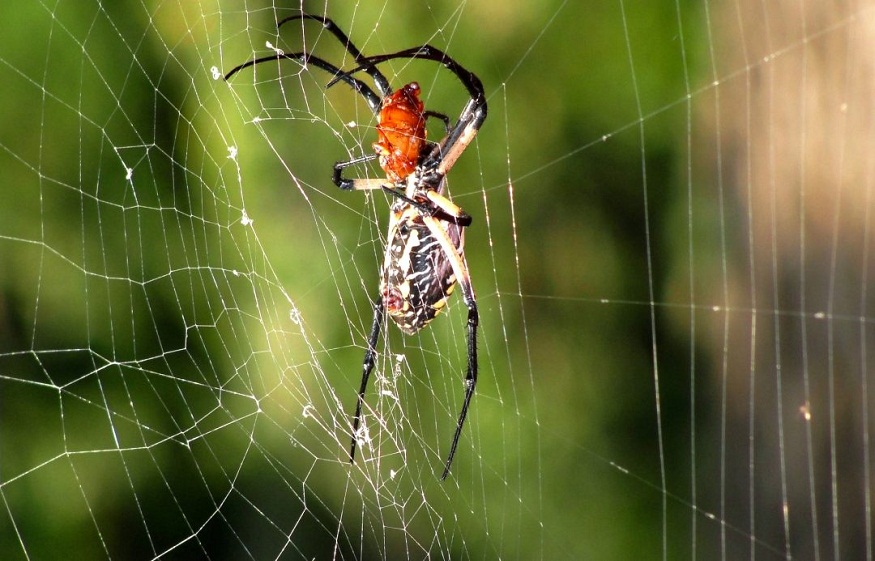
It’s a common frustration in many homes. You clear away a spider web, only to find it back in the same spot a few days later. Whether it appears in the corner of a window, above a doorway, or near an outdoor light, the pattern often feels repetitive and difficult to stop.
This behaviour is not random. Spiders are highly selective about where they build their webs. If webs keep reappearing in the same location, it means that spot consistently provides the conditions they need to survive. Understanding those conditions is the key to breaking the cycle. Simply removing a web treats the symptom, not the cause.
Why Spider Webs Return to the Same Locations
Spiders choose web locations based on success. If a particular area allows them to catch insects regularly, they are likely to remain there or return repeatedly. Over time, this creates a pattern where webs continue to appear in identical spots, even after they are removed.
Read More : Home Fixes You Need This Season for a Better Living Space
Spiders also conserve energy. Building a web requires effort, so they prefer locations where they already know prey is available. In some cases, even if one spider is removed, another will occupy the same spot because it offers the same advantages. This is why recurring webs are not a cleaning issue but a location-based problem.
How Spiders Select Web Sites
Spiders rely on several environmental factors when choosing where to build their webs. The most important factor is prey availability. They position themselves where insects are most likely to pass through.
Stable anchor points such as corners, beams, and edges provide structural support for webs, while sheltered areas protect them from wind and weather. Locations that are rarely disturbed also allow spiders to remain undetected for longer periods. Temperature and humidity further influence their choice, as certain conditions support both spider survival and insect activity.
Spaces such as ceiling corners, window frames, garages, and eaves often meet all these criteria. Because these areas are not cleaned frequently, they become reliable long-term websites. Once a location consistently provides food and shelter, spiders will continue returning to it.
The Role of Insects in Recurring Spider Webs
The primary reason spider webs keep reappearing is the presence of insects. Spiders build webs where food is available, so ongoing insect activity directly leads to repeated web formation.
This is why webs often appear near outdoor lights, windows, doorways, and balconies. These areas become feeding zones where spiders can easily capture prey.
Moisture also contributes to the problem. Damp environments such as kitchens, bathrooms, and areas with poor drainage attract insects, which in turn attract spiders. When insect activity remains consistent, spiders have no reason to move elsewhere.
This is where general pest control and insect management become important. Reducing insect populations removes the main food source that supports recurring spider activity.
Common Areas Where Webs Keep Reappearing
Certain areas within a home naturally attract spider activity. Window corners are among the most common, as they provide warmth and allow insects to enter from outside. Outdoor lighting areas are another major hotspot because they attract insects at night, creating a steady food source.
Garages and storage spaces also contribute to the problem. These areas are often cluttered, dark, and rarely disturbed, making them ideal for both insects and spiders. Ceiling corners, eaves, and upper wall sections are frequently overlooked during cleaning, allowing spiders to rebuild webs repeatedly.
In some cases, hidden spaces such as roof voids or subfloors can support insect populations, which eventually leads to visible spider activity inside the home.
Why Cleaning Webs Alone Does Not Solve the Problem
Removing spider webs may seem like the obvious solution, but it does not address the underlying cause. When a web is removed, the conditions that made that location attractive often remain unchanged.
If insects remain present, the area continues to provide shelter, and environmental conditions remain stable, spiders will rebuild their webs in the same spot. In some cases, this can happen within hours.
Cleaning also does not eliminate hidden spiders or egg sacs nearby. This allows new spiders to emerge and continue the cycle. As a result, repeated cleaning alone rarely leads to long-term improvement.
Environmental Factors That Encourage Repetition
Several environmental factors contribute to recurring spider web problems. Lighting plays a major role, as bright outdoor lights attract insects that serve as food for spiders. Moisture from leaks, humidity, or poor drainage creates ideal conditions for insect activity.
Structural gaps around windows, doors, and vents allow both insects and spiders to enter the home. Outdoor clutter, such as woodpiles, garden debris, and stored items, provides shelter for pests, increasing the likelihood that they move indoors.
When these factors combine, they create a stable environment that supports ongoing spider and insect activity.
The Professional Approach to Breaking the Cycle
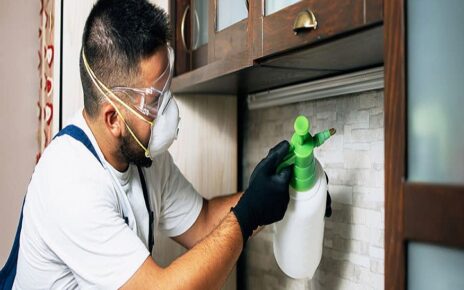
To stop spider webs from reappearing, the focus must shift from removal to prevention. This is where spider pest control becomes essential. A professional approach looks beyond visible webs and targets the underlying causes of the problem.
This typically involves identifying high-activity zones, treating hidden areas such as roof voids and entry points, and applying residual treatments that prevent spiders from returning. At the same time, efforts are made to reduce insect activity and eliminate attractants that support spider populations.
By addressing both spiders and their prey, this approach provides a more effective, long-lasting solution.
Practical Steps to Reduce Recurring Spider Webs
Homeowners can take several steps to reduce spider activity. Keeping areas clean and free of clutter removes potential hiding spots. Sealing gaps around doors, windows, and walls helps prevent pests from entering the home.
Read More : Capsule Filling Machines for Nutraceuticals: Efficiency and Innovation in Supplement Manufacturing
Reducing moisture by fixing leaks and improving ventilation limits conditions that attract insects. Adjusting outdoor lighting or using insect-reducing bulbs can further decrease the number of insects gathering near entry points.
Regular maintenance of garages, storage areas, and outdoor spaces also helps minimise environments where spiders and insects thrive.
Conclusion
Spider webs that keep reappearing in the same spots are not a coincidence. They are a clear sign that those locations consistently provide food, shelter, and stable conditions for spiders.
As long as these factors remain unchanged, spiders will continue to return, no matter how often the webs are removed. The key to solving the problem is to address the environment, not just the visible webs.
By reducing insect activity, sealing entry points, and improving overall conditions, it is possible to break the cycle. For persistent issues, a structured approach ensures that both the symptoms and the underlying causes are effectively managed.
FAQs
- Why do spider webs keep appearing in the same place?
Because that location consistently provides food, shelter, and suitable environmental conditions. - Do spiders return to the same web location?
Yes, if the area continues to provide a reliable food source, spiders will rebuild in the same spot. - Does removing a web stop spiders permanently?
No. If conditions remain unchanged, spiders will return and rebuild. - Are spider webs linked to insect activity?
Yes. Spiders build webs where insects are present, as they rely on them for food. - What areas of the home attract the most spider webs?
Windows, corners, outdoor lighting zones, garages, and undisturbed storage areas are common hotspots. - When should I consider professional pest control?
If webs keep reappearing despite cleaning and preventive measures, professional treatment may be required to address the root cause.