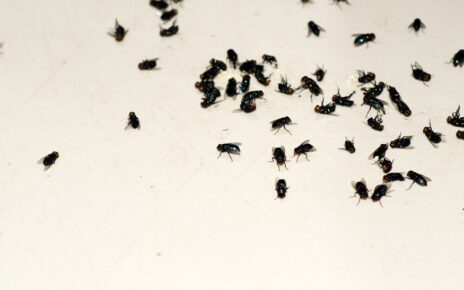

Bathroom drains should not produce strong or persistent odours. If unpleasant smells keep returning despite regular cleaning, it usually indicates a deeper plumbing issue rather than simple surface buildup. Many homeowners attempt to mask the smell with cleaning products, but recurring odours are often a warning sign that something inside the drainage system is not functioning properly.
Understanding the possible causes can help you determine whether the issue is minor or requires professional attention.
Why Drain Odours Should Not Be Ignored
Bathroom drainage systems are designed to carry wastewater away efficiently while preventing sewer gases from entering the home. When this balance is disrupted, smells can travel back through sinks, showers or floor drains.
Persistent odours may signal restricted airflow, trapped debris or developing structural moisture problems. While the smell itself is unpleasant, the underlying cause can lead to more serious damage if left unresolved.
Common Causes of Bathroom Drain Smells
Several plumbing-related issues can cause ongoing odours from bathroom drains.
Dry or Faulty Water Traps
Every drain includes a U-shaped pipe known as a trap. This trap holds a small amount of water, which creates a seal that blocks sewer gases from rising into the room.
If a bathroom is rarely used, the water inside the trap can evaporate. Once dry, sewer gases can travel freely through the drain opening. In other cases, a cracked or improperly installed trap may fail to maintain a proper seal.
Running water briefly may restore the seal in minor cases, but persistent smells suggest a deeper issue.
Partial Blockages
Hair, soap residue and organic waste often accumulate inside bathroom pipes. Even if water still drains, partial blockages can trap decomposing material that produces unpleasant odours.
Over time, this buildup narrows the pipe diameter, slowing drainage and increasing smell intensity. Temporary cleaning may improve flow, but internal residue often remains attached to pipe walls.
Vent Pipe Problems
Drainage systems rely on vent pipes to regulate air pressure and allow sewer gases to exit above the roofline. If a vent pipe becomes blocked by debris, leaves or bird nests, pressure imbalances can force gases back through bathroom drains.
Vent issues are not always visible from inside the home. Signs may include gurgling sounds, slow drainage and recurring smells.
Sewer Line Restrictions
In more serious cases, odours may originate from a partially restricted sewer line. Tree roots, pipe damage or heavy sediment can impede wastewater movement.
When sewer flow slows, gases accumulate and escape through the path of least resistance, often through bathroom drains. This type of issue requires prompt inspection.
How Moisture Problems Can Escalate
Persistent drain smells are sometimes linked to hidden moisture problems rather than simple pipe blockages. Leaking joints or poorly sealed fittings may allow water to seep into surrounding structures.
Ongoing dampness inside walls or under flooring can weaken building materials. In timber-framed homes, excessive moisture creates favourable conditions for pest activity. If structural timber becomes compromised, homeowners may eventually need Termite Control services. Engaging Licensed termite control professionals is essential when moisture has encouraged pest intrusion.
Addressing plumbing faults early reduces the likelihood of secondary structural damage and pest-related complications.
Why DIY Solutions Often Fall Short
Many homeowners use chemical cleaners or homemade remedies to eliminate drain smells. While these approaches may temporarily reduce odours, they rarely solve the underlying cause.
Chemical products can also damage older pipes, especially if used repeatedly. Surface cleaning does not address vent blockages, sewer line restrictions or concealed leaks behind walls.
If odours continue after basic cleaning, further investigation is necessary.
The Importance of Professional Assessment
Identifying the true source of bathroom drain smells requires more than guesswork. A detailed plumbing inspection can determine whether the problem involves blockages, vent issues or damaged pipework.
A Professional clogged drain plumber has the equipment to inspect drains internally using CCTV technology. This allows accurate identification of partial blockages, root intrusion or pipe misalignment without unnecessary excavation.
Engaging a qualified professional ensures that the cause of the odour is addressed properly rather than temporarily masked. Clearing debris, repairing faulty traps or correcting vent issues restores normal drainage performance and eliminates recurring smells.
When to Seek Immediate Help
Certain signs indicate that professional assistance should not be delayed:
- Strong sewage smells that intensify over time
- Water backing up in showers or sinks
- Gurgling noises combined with slow drainage
- Visible damp patches near bathroom walls or flooring
- Repeated blockages within a short period
These symptoms often point to underlying structural or sewer line concerns that require expert attention.
Protecting Your Home from Long-Term Damage
Persistent drain odours are not simply a nuisance. They may signal moisture infiltration, structural stress or sewer restrictions. Early intervention prevents small issues from developing into expensive repairs.
Proper plumbing maintenance protects indoor air quality, reduces the risk of water damage and preserves structural integrity. It also minimises the likelihood of pest problems linked to damp conditions.
Homeowners who act quickly when unusual smells appear are more likely to avoid extensive disruption.
Conclusion: Early Action Prevents Bigger Problems
Strange smells from bathroom drains are usually a sign of deeper plumbing concerns rather than minor surface residue. Dry traps, partial blockages, vent pipe problems or sewer line restrictions commonly cause persistent odours. In some cases, hidden moisture can escalate into structural damage and pest activity.
Ignoring the smell does not make it disappear. It often allows the problem to worsen. Arranging a professional inspection ensures the exact cause is identified and resolved correctly.
If bathroom drain odours continue despite cleaning, do not wait for further damage to occur. A qualified plumber can assess the system, restore proper drainage and protect your home from larger plumbing and structural issues.