
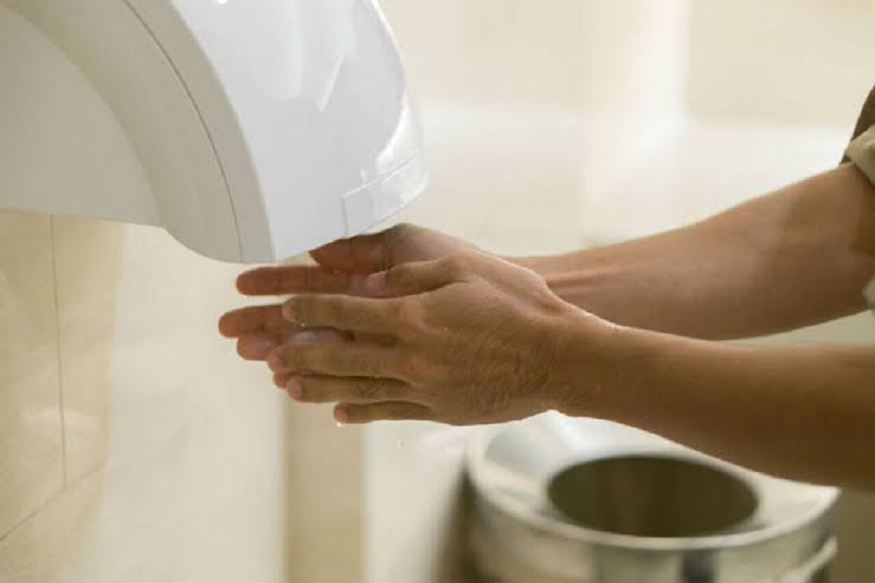
Hand hygiene is crucial in maintaining public health and preventing the spread of diseases, and the use of hand dryers plays an essential role in this process. Over the years, automatic hand dryers have become a common feature in public restrooms worldwide. Yet, despite their growing popularity and widespread use, some people still avoid them, opting for paper towels or simply shaking their hands dry.
This reluctance to use automatic hand dryers raises several questions: Why do some people continue to avoid them? Are the concerns justified, or are they based on misconceptions and myths? In this article, we’ll delve into some of the common myths surrounding automatic hand dryers, clarify the facts, and explore the reasons behind this continued hesitation.
The Rise of the Automatic Hand Dryer
Automatic hand dryer, particularly high-speed models, are a modern solution designed to promote hygiene and reduce paper waste. These devices use air jets to dry hands quickly and efficiently. Unlike traditional manual dryers, automatic hand dryers are activated when users place their hands beneath a sensor, eliminating the need to touch any buttons. This feature is particularly appealing in terms of promoting a hands-free, hygienic experience.
Over the years, these dryers have made their way into restrooms across airports, restaurants, schools, and offices. However, despite the environmental and hygiene benefits they offer, automatic hand dryers have been the subject of various myths that prevent some people from embracing them. Let’s examine these myths and separate fact from fiction.
Myth #1: Hand Dryers Spread Germs
One of the most common concerns people have about automatic hand dryers is that they could potentially spread germs or bacteria. It’s a reasonable fear, as automatic hand dryers often work by blowing air over your hands at high speeds. So, the myth suggests that the air used to dry hands could also propel harmful pathogens into the surrounding environment, contaminating the bathroom area and possibly other users.
Read More:Home Fixes You Need This Season for a Better Living Space
Fact: Hand Dryers Do Not Spread Germs More Than Paper Towels
The idea that automatic hand dryers spread germs is based on a misunderstanding of how hand hygiene works. While it’s true that hand dryers use air to dry hands, the vast majority of studies have shown that high-speed hand dryers, when used correctly, do not increase the spread of germs. In fact, the air used by the dryers is typically directed away from users and into the atmosphere above them. Research conducted by institutions such as the Centres for Disease Control and Prevention (CDC) has shown that the air blown by these dryers is filtered, thus preventing the release of bacteria and viruses.
On the other hand, using paper towels has its own risks, especially when multiple people use the same dispenser, as the towel is touched by everyone in line. Some studies suggest that paper towels may inadvertently transfer bacteria between users.
Ultimately, the key to preventing the spread of germs is ensuring proper handwashing, rather than worrying solely about the drying method.
Myth #2: Hand Dryers Take Too Long to Dry Hands
Some people believe that automatic hand dryers are inefficient, taking too long to dry hands compared to the quick convenience of a paper towel. This perception is especially common in older, less efficient models that rely on warm air to dry hands slowly.
Fact: Modern Hand Dryers Are Fast and Effective
While older models of hand dryers may have been slower, modern high-speed hand dryers are engineered to dry hands in record time. Advances in technology have made hand dryers more efficient, with top-tier models drying hands in 10-15 seconds. High-speed air jets create a strong airflow that dries hands much more quickly than their predecessors.
This short drying time is also a significant improvement over paper towels. While it’s true that grabbing and using a paper towel may feel faster, studies have shown that the entire process of washing, grabbing, and disposing of the towel takes longer than using a high-speed hand dryer.
In addition to speed, high-efficiency dryers also use less energy and can handle a higher volume of users, making them ideal for public spaces. So, while drying speed may have been an issue with earlier models, newer designs have addressed this concern.
Myth #3: Hand Dryers Are Bad for the Environment
An increasing number of people are concerned about the environmental impact of automatic hand dryers, particularly when compared to paper towels. Paper towels are typically made from trees, which requires energy and resources to produce. Hand dryers, on the other hand, use electricity to blow air and, in some cases, have disposable filters that need replacing.
Fact: Hand Dryers Are More Eco-Friendly Than Paper Towels
Despite concerns about electricity consumption, high-speed hand dryers are actually much more environmentally friendly than paper towels. A study conducted by the U.S. Environmental Protection Agency (EPA) and other institutions found that the carbon footprint of using hand dryers is far less than that of paper towels. The production, transport, and disposal of paper towels contribute significantly to environmental damage. Paper towels are also single-use, meaning they require constant replenishment, which leads to more waste and additional environmental strain.
By contrast, automatic hand dryers can be used repeatedly without contributing to landfill waste. Furthermore, many hand dryer models use energy-efficient systems that minimise electricity consumption, especially when they are built with smart features like automatic shut-off.
Myth #4: Hand Dryers Are Unhygienic Due to Warm Air
A number of people are deterred from using hand dryers because they associate the warm air with unhygienic conditions. The myth suggests that the warm air could promote bacterial growth, leading to the transfer of germs during drying.
Fact: The Air is Not Hot Enough to Encourage Germ Growth
In fact, the warm air from hand dryers does not encourage bacteria growth, as the temperature of the air is not high enough to promote such conditions. Many modern hand dryers use cold or room-temperature air, which is still capable of drying hands quickly without contributing to microbial growth. Moreover, most hand dryers employ HEPA filters that ensure the air blown is clean, preventing any possible contamination.
Myth #5: Paper Towels Are More Effective at Drying Hands
Many people believe that paper towels are a superior drying method due to their tactile nature and perceived thoroughness. Since paper towels physically absorb moisture, some argue that they are more effective at drying than air-based hand dryers.
Fact: Hand Dryers Are Equally Effective as Paper Towels, if Not More So
Numerous studies have shown that high-speed hand dryers are just as effective, if not more so, than paper towels in drying hands. According to a study published in the Journal of Applied Microbiology, both paper towels and air dryers remove a similar amount of bacteria from hands, provided the handwashing process itself is effective. However, air dryers have the advantage of being able to dry hands without generating waste, whereas paper towels can leave behind contaminants on surfaces and contribute to environmental damage.
For wider commercial, hospitality, or public-facing projects, small supporting details can make the finished space feel more complete. Composite decking can provide a durable, low-maintenance surface for terraces, entrances, outdoor seating areas, and customer-facing spaces; while traditional signage can add character, direction, and brand presence; while digital signage can share changing information, promotions, menus, or wayfinding updates clearly.
Conclusion: Overcoming the Myths
The concerns about automatic hand dryers are rooted in myths and misconceptions that can be debunked through research and facts. Hand dryers do not spread germs more than paper towels, are faster than previously thought, and are more environmentally friendly. While paper towels have their place in certain settings, the modern hand dryer is an eco-friendly, efficient, and hygienic choice for drying hands in public restrooms.
Read More:Capsule Filling Machines for Nutraceuticals: Efficiency and Innovation in Supplement Manufacturing
Ultimately, whether a person prefers a hand dryer or paper towels is often a matter of personal choice, and both methods have their pros and cons. What’s crucial, however, is the habit of practicing good hand hygiene—washing hands thoroughly for at least 20 seconds—regardless of the drying method. As more people become educated on the facts, it’s likely that the stigma against automatic hand dryers will fade, leading to their even wider adoption in places where hygiene is a priority.