Air conditioners work hard during the warmer months, and many of their most important components collect dirt, wear, or minor issues that gradually reduce performance. Waiting until the system fails on a hot day usually means higher repair costs and uncomfortable delays. Checking key parts before the cooling season begins helps the unit start strong and run more efficiently when temperatures rise.
A consistent approach to care focuses on the components most likely to affect airflow, cooling capacity, and reliability. Homeowners who schedule seasonal AC maintenance give these parts the attention they need so small problems do not turn into mid-summer breakdowns. Understanding which components matter most makes it easier to protect both comfort and equipment life.
1. The Air Filter
The air filter is the first line of defense for the entire system. It captures dust, pollen, pet dander, and other particles before they reach the blower and evaporator coil. When the filter becomes loaded, airflow drops. The system must run longer to cool the home, energy use rises, and the evaporator coil can even freeze in severe cases.
Read More: Why Some People Still Avoid Automatic Hand Dryers: Myths vs. Facts
Checking the filter monthly during the cooling season and replacing it every one to three months, depending on household conditions, is one of the simplest ways to protect performance. Homes with pets or high dust levels often need more frequent changes. Using the correct size and a filter with an appropriate MERV rating for the equipment helps maintain airflow while still capturing particles effectively.
2. Evaporator and Condenser Coils
The evaporator coil, located inside the air handler or furnace, absorbs heat from indoor air. The condenser coil, in the outdoor unit, releases that heat outside. When either coil becomes coated with dirt or debris, heat transfer suffers. The system loses capacity and runs longer to reach the thermostat setting.
Indoor coils can collect fine dust that bypasses the filter over time. Outdoor coils often accumulate grass clippings, leaves, cottonwood, and dirt. Gentle cleaning of the outdoor coil and professional cleaning of the indoor coil during seasonal service restore better heat transfer. Keeping the area around the outdoor unit clear of vegetation and debris also helps the condenser stay cleaner between visits.
3. The Condensate Drain Line and Pan
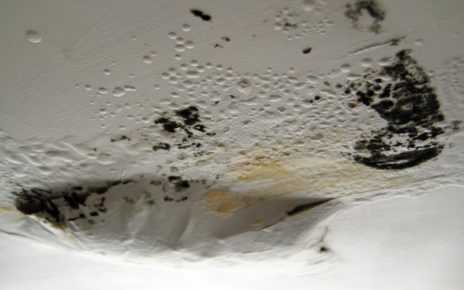
As the evaporator coil cools indoor air, moisture condenses and drains away through a condensate line. Algae, mold, and sediment can clog this line, causing water to back up into the drain pan and potentially overflow. Overflow can damage ceilings, walls, or the air handler itself and may shut the system down if a float switch is present.
Flushing the drain line with a mild solution or having it cleared during seasonal service prevents most clogs. Checking that the drain pan is clean and that the float switch operates correctly adds another layer of protection. Addressing drain issues before the humid summer months reduces the chance of water damage and unexpected shutdowns.
4. The Outdoor Unit Fan and Fins
The outdoor fan pulls air across the condenser coil so heat can be released. Bent fins, debris lodged in the coil, or a struggling fan motor reduce airflow and force the system to work harder. The fan blade itself can become unbalanced if dirt builds up on one side, creating vibration and extra wear.
Straightening carefully bent fins, removing debris, and confirming that the fan spins freely and quietly help the outdoor unit operate as designed. Lubricating motors that require it and checking for unusual noises or wobble during seasonal service catch problems while they are still minor. A clear zone of at least two feet around the unit further supports proper airflow.
5. Electrical Connections and Key Components
Electrical connections can loosen over time from normal vibration and temperature changes. Loose connections create resistance, heat, and the potential for component failure. Capacitors, which help the compressor and fan motors start and run, weaken with age and heat. Contactors can develop pitted surfaces that interfere with reliable operation.
During seasonal service, technicians typically inspect and tighten electrical connections, measure capacitor performance, and check contactors and relays. Identifying a weakening capacitor before it fails can prevent a no-cool situation on a hot afternoon. These electrical checks are difficult for most homeowners to perform safely and are best left to trained technicians.
Putting Seasonal Attention into Practice
Focusing on these five areas filter, coils, condensate drain, outdoor fan and fins, and electrical components covers the parts most likely to affect comfort and reliability. Some tasks, such as filter changes and keeping the outdoor unit clear, can be handled by homeowners. Others require professional tools and training.
Read More: Home Fixes You Need This Season for a Better Living Space
Combining regular homeowner habits with a professional seasonal visit creates a practical maintenance routine. The system starts the cooling season cleaner, better adjusted, and less likely to encounter preventable problems when demand is highest.
Conclusion
Air conditioners rely on several key components that gradually collect dirt, wear, or minor faults over time. Giving the filter, coils, condensate drain, outdoor unit, and electrical connections focused attention each season helps maintain airflow, cooling capacity, and reliability. Simple homeowner practices combined with professional service catch many issues before they disrupt comfort. Consistent seasonal care keeps the system running closer to its intended performance and reduces the likelihood of unexpected breakdowns during the hottest weather. Taking these steps before the cooling season begins remains one of the most effective ways to protect both comfort and equipment life.