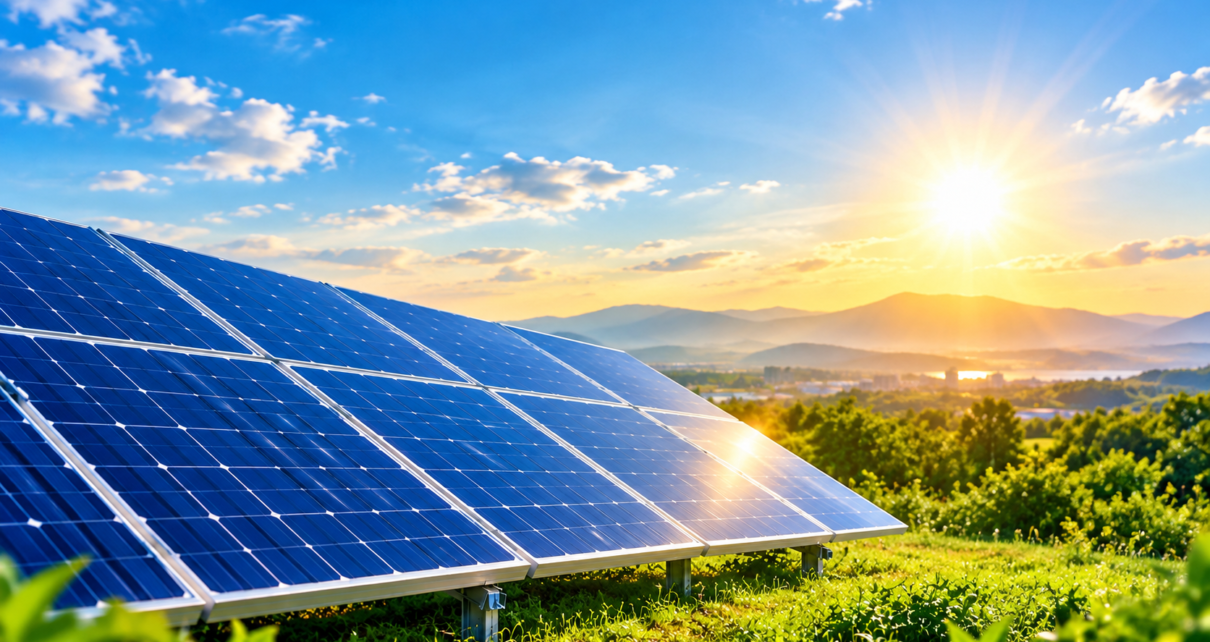
A rooftop solar installation can reduce a home’s dependence on grid electricity, but solar panels alone cannot provide continuous power. Solar generation changes throughout the day, while household demand continues after sunset and during cloudy periods. A home that needs dependable electricity around the clock therefore requires more than generation capacity.
Read More: 5 Parts of an Air Conditioner That Deserve Seasonal Attention
The real system combines solar panels, an inverter, battery storage and, in many cases, the grid. Each component in this solar panel and inverter combination has a different role, and the way they work together determines how effectively a home can manage its energy through the day and during power cuts.
Why Solar Panels Alone are Not Enough?
Solar panels generate DC electricity when sunlight reaches their cells. Production varies with the time of day, weather, shading, panel orientation and other site conditions. Household consumption follows a different pattern. Fans, lights, refrigerators and other appliances may continue operating after sunset, when solar generation has stopped. A power cut can also happen at any time.
This creates a basic energy-management challenge: electricity needs to be available even when solar generation is not.
A home can address that gap through a combination of:
- Direct solar consumption when panels are generating electricity
- Battery storage for using surplus solar energy later
- Grid electricity when solar and stored energy are insufficient
- Backup capability during a grid outage, where the system is designed for it
The exact combination depends on the type of solar installation. On-grid systems primarily use solar alongside the electricity grid. Off-grid systems rely on solar and battery storage without a grid connection. Hybrid systems combine solar, batteries and grid power, making them particularly relevant for homes that want both solar savings and backup.
Understanding Solar Panels and Inverters: The Four Parts of a Home Energy Ecosystem
Thinking about the installation as an interconnected system makes it easier to understand what each component contributes.
1. Solar Panels Generate the Energy
Solar panels are the generation layer. They convert sunlight into DC electricity, which then needs to be converted before household appliances can use it.
Panel capacity is normally expressed under standard test conditions, so the actual electricity generated at a home will vary. Roof orientation, shading, temperature and installation quality all influence production.
Panel technology also affects the design. Current residential offerings in the market include technologies such as TOPCon bifacial and Mono PERC half-cut modules. Bifacial panels can generate electricity from light reaching both sides of the module, while half-cut designs divide cells into smaller sections to reduce certain electrical losses.
The right panel is therefore not necessarily the one with the highest wattage. The available roof area, electrical characteristics, shading and compatibility with the inverter all matter.
2. The Inverter Converts and Manages Power
The inverter is more than a device that changes DC electricity into AC electricity. In a hybrid system, it can coordinate power from solar panels, batteries and the grid according to the system’s operating conditions. Its capacity needs to match the expected household load. A home with several high-power appliances may need greater inverter capacity than one whose backup requirement is limited to lights, fans and electronics.
Read More: What Makes Bangalore Famous Builders Trusted by Buyers?
Solar input is another consideration. The inverter has defined limits for the voltage, current and total solar capacity it can accept. The panel array must therefore be designed within those specifications.
For homeowners comparing equipment, it is useful to look at the manufacturer’s complete inverter range rather than selecting a model in isolation. Established providers such as Luminous offer on-grid, off-grid and hybrid inverter categories, allowing the system configuration to be considered alongside the intended use.
3. Batteries Store Energy for Later
Battery storage solves one of the biggest limitations of solar: the sun is not available when much of the household’s electricity may be needed.
During periods of solar generation, excess energy can be stored depending on the system configuration. That stored electricity can subsequently support loads when solar production falls or during a grid outage.
Battery capacity is measured in terms of stored energy, while inverter capacity relates to how much power can be supplied at a given time. They are connected concepts but not interchangeable.
A large inverter with a small battery may support a high load briefly but provide limited backup duration. A large battery paired with an undersized inverter may store plenty of energy but still be unable to operate several high-power appliances simultaneously.
4. The Grid Provides Another Energy Source
Even homes with substantial solar and battery capacity can benefit from grid connectivity. Solar generation is variable, and batteries have finite storage.
In a hybrid system, grid electricity can supplement solar and stored energy when required. Depending on the system and applicable regulations, surplus solar may also be exported to the grid. This makes the grid part of the overall energy strategy rather than simply a fallback source.
How a 24×7 System Works Across A Typical Day
Consider a home with meaningful daytime consumption and a need for backup after sunset.
During the day, solar panels generate electricity and the inverter converts it into usable power for household loads. If generation exceeds immediate demand, the system may direct surplus energy towards battery charging or grid export, depending on its configuration.
As the evening arrives and solar production declines, the battery can supply stored energy. If the stored energy is insufficient, the grid can provide additional electricity where available.
During a power cut, a suitably configured hybrid system can continue supplying the circuits connected to its backup output. How long that backup lasts depends on the battery’s usable capacity and the appliances being powered.
That last point matters when interpreting the phrase “24×7 power.” It does not mean that a battery can provide unlimited electricity indefinitely. Continuous availability comes from coordinating multiple energy sources, with each component sized appropriately.
Battery Sizing Should Start With the Backup Requirement
Homeowners often focus on solar panel capacity first and consider the battery later. For backup applications, the reverse can be more useful. Start by identifying which appliances need to remain operational during an outage. A typical backup list might include:
| Load | What needs to be considered |
| Lights | Number of fixtures and operating hours |
| Fans | Number operating simultaneously |
| Refrigerator | Compressor operation and consumption |
| Wi-Fi/router | Continuous low-power requirement |
| Television/computer | Expected usage |
| Air conditioner | Electrical consumption and required runtime |
| Water pump | Motor load and operating duration |
The objective is not necessarily to back up the entire house. Some appliances can remain off during an outage, allowing the system to focus its available stored energy on essential loads. High-power appliances such as air conditioners also require closer attention because their electrical demand can be substantially higher than basic household loads.
Monitoring Makes the System Easier to Manage
Once a home has several energy sources, visibility becomes useful. Monitoring systems can provide information about solar generation, consumption and battery status, depending on the equipment installed.
This can reveal patterns that are difficult to identify from an electricity bill alone. A household might discover that much of its electricity is consumed during the evening, for example, making battery storage particularly valuable. Another home may have substantial daytime consumption, allowing more solar electricity to be used directly.
Current solar portfolios from established providers can include monitoring alongside panels, inverters and batteries. You will also find options that offer solar monitoring solutions as part of its wider residential solar ecosystem, alongside its panel, inverter and battery categories.
What to Check Before Choosing a Complete System?
Rather than comparing individual components on price alone, assess how the complete setup fits the home.
Check:
- Solar capacity: Is there enough roof area and generation potential?
- Panel specifications: Are voltage and current characteristics compatible with the inverter?
- Inverter rating: Can it handle the intended simultaneous load?
- Battery capacity: Can it provide the required backup duration?
- System configuration: Is on-grid, off-grid or hybrid operation appropriate?
- Backup circuits: Which appliances will actually remain powered during an outage?
- Monitoring: Can system performance and energy flows be tracked?
- Installation: Are mounting, wiring, protection and commissioning included?
There is also no single solar panel and inverter price that represents the cost of a complete 24×7 home system. The final amount depends on panel capacity, inverter rating, battery size, mounting, electrical work and installation requirements.
For a homeowner considering a solar panel with battery and inverter, looking at these components as one system is more useful than choosing each independently. The right combination can reduce grid dependence while providing a practical level of backup without oversizing equipment that the household does not need.